 Helping tommorow
Exploring the psychology behind why people love gambling
 xtw183877539
Exploring the psychology behind why people love gambling
The Thrill of Uncertainty
The excitement that comes from risk-taking is a significant reason why people are drawn to gambling. The unpredictability of the outcome creates a sense of adrenaline and exhilaration. Each spin of the slot machine or turn of the card brings about a unique thrill, providing a temporary escape from the mundane aspects of daily life. This uncertainty can often produce feelings akin to those experienced during extreme sports, where the potential for both loss and gain heightens emotional responses.
Moreover, neurobiological studies show that when individuals engage in gambling activities, the brain releases dopamine, a neurotransmitter associated with pleasure and reward. This chemical response not only reinforces the desire to gamble but also creates a cycle where individuals seek repeated experiences to recapture that initial thrill. This biological mechanism plays a substantial role in why many find themselves gravitating towards gambling, despite the risks involved.
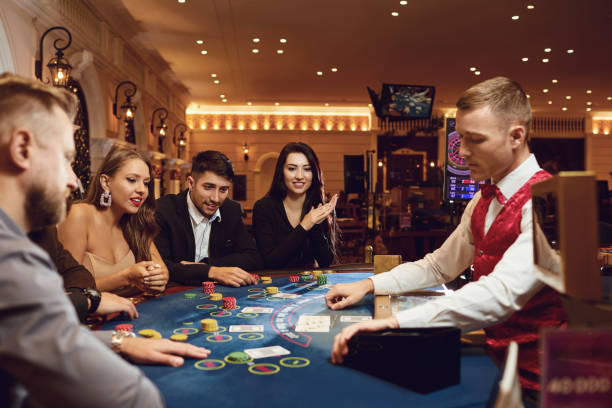
Additionally, the uncertainty inherent in gambling often leads individuals to embark on personal strategies to mitigate risk. Some may create elaborate systems or rituals they believe will improve their odds, which can further increase their engagement. This strategy-building process adds another layer of excitement, as players become invested not just in the game but in perfecting their approach.
Social Factors and Community
Human beings are inherently social creatures, and gambling provides a means to connect with others. Whether it’s in a bustling casino or an online platform, the social environment can enhance the overall experience. Many people enjoy the camaraderie shared with friends or the excitement generated by a group of strangers rallying around a shared activity. This collective engagement can magnify the highs and lows of gambling, making wins feel more significant and losses less daunting.
In addition, the social aspect of gambling can be a catalyst for forming bonds and connections. Shared experiences and stories about wins, losses, and strategies can foster a sense of belonging. This desire for social interaction may motivate individuals to participate in gambling, creating a unique blend of excitement and community that is hard to replicate in other venues.

Furthermore, in many cultures, gambling has become a communal activity, with events and gatherings centered around games like poker or bingo. These gatherings can often extend beyond gambling, serving as social events that allow people to come together, share experiences, and enjoy each other’s company. This cultural context further emphasizes the social dimensions of gambling, transforming it into a multifaceted experience.
Escapism and Emotional Relief
For many individuals, gambling serves as an escape from daily pressures and emotional turmoil. The allure of a casino or an online betting platform can provide a welcome distraction from stressors such as work, relationships, or financial concerns. Engaging in gambling can temporarily lift one’s mood, offering a brief reprieve from life’s challenges.
Furthermore, the act of gambling can offer catharsis. Many gamblers describe a sense of relief or satisfaction when they are immersed in the game. This emotional payoff reinforces the behavior, encouraging a cycle where gambling becomes a go-to method for coping with difficult feelings. However, this coping mechanism can lead to more significant issues if not kept in check, highlighting the complex relationship many have with gambling.
Moreover, during particularly challenging life phases, individuals might be more susceptible to seeking out gambling as a form of solace. This behavior can sometimes escalate, leading to compulsive gambling as a maladaptive coping strategy. Understanding these emotional drivers is crucial for fostering a healthier relationship with gambling.
The Allure of Winning
The prospect of a big win is often the central attraction of gambling. The idea that one could transform their financial situation overnight is a powerful motivator. Many people envision not just the thrill of winning money but the lifestyle it could afford them, complete with luxury, freedom, and happiness. This fantasy can often overshadow the very real risks associated with gambling.
Additionally, the concept of “near wins,” where players come close to winning, can also be misleadingly enticing. Research suggests that these near misses can trigger the same dopamine response as actual wins, leading individuals to believe that success is just around the corner. This sense of optimism can keep players engaged, often leading them to gamble more than they intended based on the constant hope of achieving that elusive jackpot.
Furthermore, marketing strategies employed by casinos and gambling platforms often amplify this allure. Eye-catching advertisements and promotional offers can create an environment where individuals feel more inclined to try their luck, driven by both the thrill of potential gain and the excitement generated by the presentation of gambling.
Discover More About Gambling Psychology
For those interested in delving deeper into the psychological aspects of gambling, numerous resources are available. Websites like neosurf australia casino offer valuable insights into the motivations behind gambling behavior. These platforms provide a wealth of information on how psychological and emotional factors intertwine to create a complex relationship with gambling.
Understanding the intricate dynamics behind why people gamble can equip individuals with the knowledge to engage responsibly. Whether it’s recognizing the allure of community, the thrill of uncertainty, or the need for emotional relief, being aware of these elements can promote healthier gambling habits. By examining these motivations closely, players can navigate the enticing world of gambling with a more informed perspective.
Additionally, seeking support from professionals or trusted community members can be an effective way to maintain a balanced approach to gambling. Counseling services, support groups, and educational resources can help gamblers explore their motivations and set healthy boundaries, ensuring that their gambling experiences are enjoyable and not detrimental to their well-being.