 Helping tommorow
Exploring the cultural significance of gambling across different societies
-
by
xtw183877539
- No Comments on Exploring the cultural significance of gambling across different societies
 xtw183877539
Exploring the cultural significance of gambling across different societies
The Historical Roots of Gambling
Gambling is an age-old activity that dates back to ancient civilizations. Archaeological evidence suggests that forms of gambling have been present in cultures as early as 3000 BCE, with artifacts from ancient China, Egypt, and Mesopotamia revealing dice and betting games. These early instances reflect not only the human inclination toward risk-taking but also the communal aspects of gambling. As societies evolved, so did the complexity of their gambling practices. The Posido platform exemplifies the modern iteration of this evolution, influencing various aspects of cultural identity.

In ancient Rome, gambling was not merely a pastime; it was embedded in the very fabric of society. Gladiatorial games often included betting among spectators, which turned public events into vibrant social experiences. Similarly, in ancient Greece, the Olympic Games featured betting, with wagers placed on athletic contests. This intertwining of gambling with cultural and social events highlights how gambling was viewed as a natural extension of community interaction, reflecting societal values and norms.
As civilizations advanced, the role of gambling transformed alongside political and economic structures. In medieval Europe, the Church’s stance against gambling led to underground games and secret societies, demonstrating the resilience and adaptability of gambling within cultural constraints. By examining historical contexts, it becomes clear that gambling has consistently served as a mirror reflecting societal evolution, revealing insights into values, beliefs, and communal dynamics.
Gambling in Modern Society
In contemporary cultures, gambling has taken on numerous forms, ranging from state-sponsored lotteries to online casinos. Modern gambling often serves as both entertainment and an economic engine, providing significant revenue through taxes and tourism. For example, Las Vegas has become synonymous with gambling, attracting millions who seek thrill and escapism. The Posido casino Canada provides an exciting platform for players, underscoring how gambling has transitioned from a social activity to a global industry, impacting local economies and cultures dramatically.
In many countries, gambling is culturally accepted and integrated into social customs. In Japan, Pachinko parlors represent a unique blend of gambling and entertainment, providing leisure and social interaction. Conversely, in certain cultures, gambling can carry a stigma, often associated with addiction and moral decay. This duality raises questions about the social implications of gambling and how cultural perceptions influence individual choices and societal norms.
The rise of technology has further reshaped modern gambling, with online platforms providing unprecedented access to gambling activities. While this expansion democratizes gambling opportunities, it also poses challenges related to addiction and regulation. The impact of mobile technology on gambling habits underscores the need for responsible gambling practices, as society grapples with the balance between enjoyment and potential harm. Thus, the cultural significance of gambling in modern society remains multifaceted and complex.
The Role of Luck vs. Skill in Gambling
Central to the gambling experience is the perennial debate of luck versus skill. Many traditional games, such as poker, hinge on a combination of both, requiring players to employ strategies while navigating the uncertainties of chance. This interplay adds depth to gambling, transforming it from mere chance into a contest of intellect and psychology, where players compete not just against the house but also against one another.
In contrast, games like slots and roulette rely almost entirely on luck. Such games are designed to be accessible, attracting a wide range of players who may not possess the skills associated with poker or blackjack. This division raises intriguing questions about how individuals perceive their chances of winning and the psychological effects of chance-based games. Many players believe that their strategies or rituals can influence outcomes, despite the inherent randomness.
The cultural implications of luck versus skill extend beyond the games themselves. In various societies, gambling can be a reflection of cultural beliefs around fate and fortune. For example, in some Asian cultures, luck is deeply intertwined with spirituality, leading players to engage in rituals before gambling. This fusion of belief and gambling behavior highlights how cultural narratives shape the way communities interpret luck and skill, influencing practices and attitudes toward gambling.
Gambling as a Social Activity
Gambling has historically functioned as a social activity, fostering camaraderie and community interaction. Whether it’s a game night with friends or a bustling casino filled with strangers, the act of gambling often creates connections among players. The Posido casino games available online exemplify how social betting pools for sporting events or holiday lottery gatherings can serve as a conduit for social bonding, reinforcing relationships and shared experiences.
In some cultures, gambling events are considered communal celebrations, with festivities surrounding major tournaments or racing events. For instance, the Kentucky Derby in the United States draws crowds not only for the horse racing but also for the associated betting. These events can bring together diverse groups, promoting social cohesion and shared excitement, illustrating how gambling transcends the individual experience to create a collective social atmosphere.
However, the social dimension of gambling can also lead to potential conflicts, particularly when individuals face gambling addiction or financial strain. As societies become more aware of these issues, there is a growing emphasis on responsible gambling practices. Communities are increasingly advocating for awareness and support systems to help individuals navigate the social consequences of gambling, underscoring the need for a balanced approach that respects both cultural significance and personal well-being.
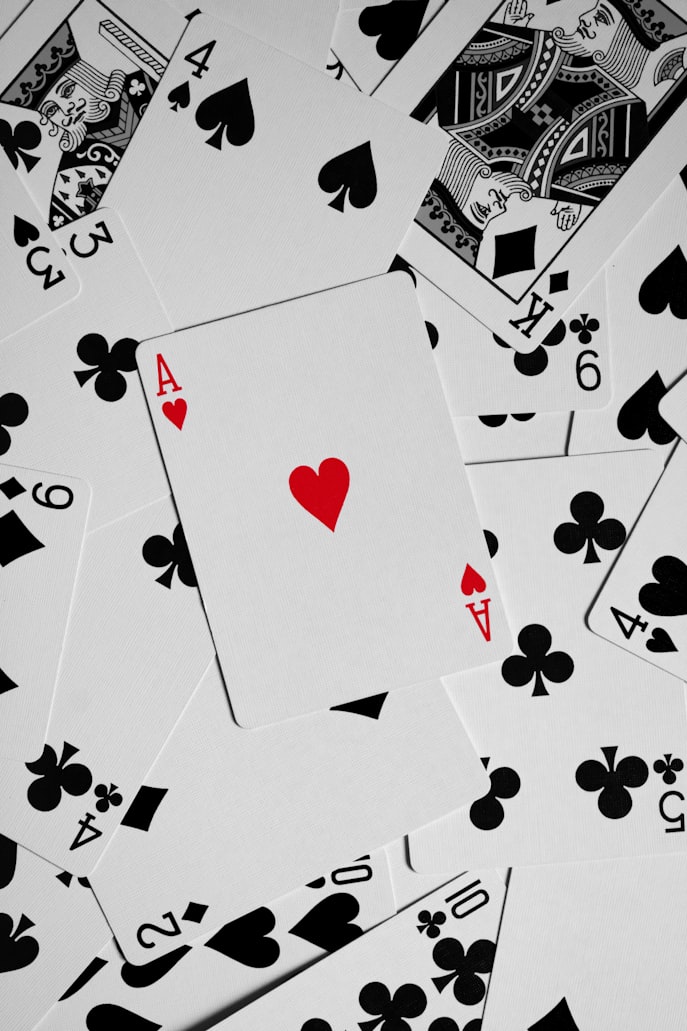
The Role of Online Casinos in Modern Gambling Culture
Online casinos have revolutionized the gambling landscape, offering players unprecedented access to games from the comfort of their homes. This shift has not only expanded the reach of gambling but has also altered its cultural significance. Players can now engage in a wide range of activities, from traditional card games to innovative slots, all with a few clicks. The convenience of online platforms has made gambling more accessible, appealing to a broader demographic and reshaping cultural perceptions of gaming.
Moreover, the integration of technology has led to the emergence of new forms of gambling experiences, including live dealer games that simulate a physical casino environment. This hybrid model blends the social aspects of traditional gambling with the convenience of digital platforms, creating a unique cultural experience that caters to diverse preferences. The ability to interact with dealers and other players in real-time adds a layer of engagement that resonates with many users.
While online gambling brings numerous advantages, it also raises important questions about regulation and responsible gambling. Concerns around addiction and financial risks are magnified in the online realm, prompting discussions about the need for industry regulations and consumer protection measures. As online casinos continue to gain popularity, understanding their cultural impact and addressing these challenges will be crucial to ensuring a safe and enjoyable gambling experience for all.